
6 Commercial Flooring Types: Which Option Is Best for Your Space?
Choosing the right commercial flooring types shapes how a space feels, performs, and supports daily activity. Many people want floors that bring strength, style, and lasting value without creating constant upgrades. This guide helps you understand the best options for different needs and gives you clear insight that supports confident decisions. You will see how each choice affects comfort, durability, and the overall look of your space. With the right information, you can match your flooring to the way your business operates and create an environment that feels right from the ground up.
What Are the Most Common Commercial Flooring Types?
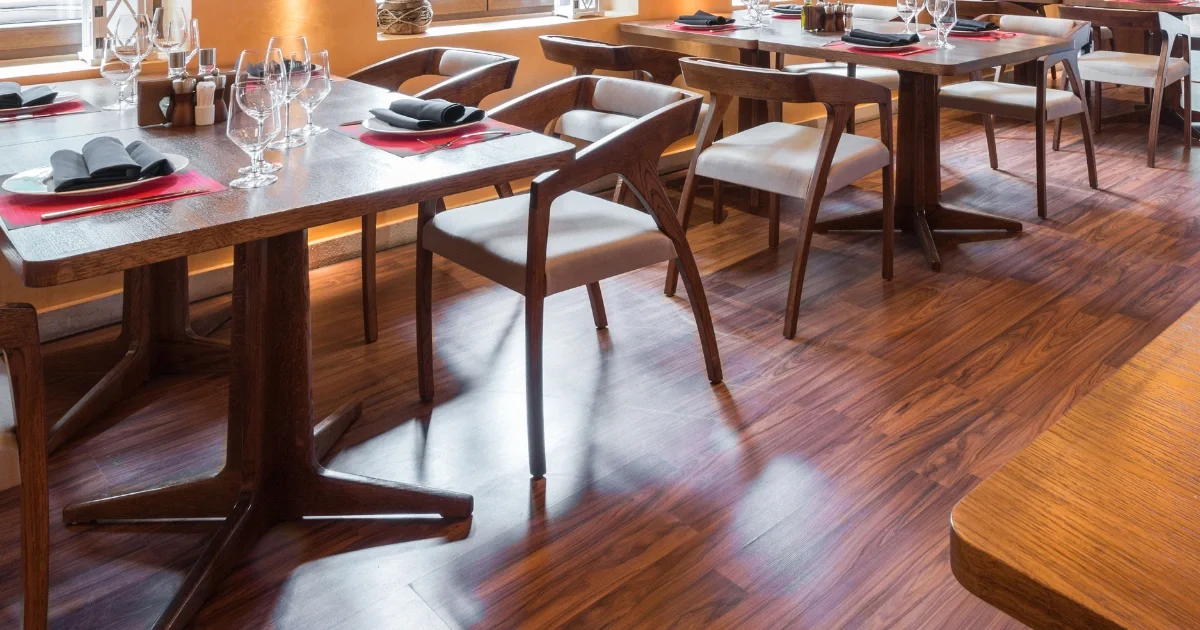
Different commercial spaces call for flooring that holds up to busy schedules, frequent foot traffic, and long-term use. The following options highlight what you can expect from each flooring type and how they help shape a dependable and attractive work environment.
1. Vinyl Plank
Vinyl planks bring strength and style together in a way that fits many commercial settings. They handle high foot traffic and resist wear from daily movement. Their low upkeep helps teams stay focused on their work without constant cleaning. A wide range of designs gives you flexibility when planning the look of your space.
2. Carpet Tile
Carpet tile supports comfort underfoot and creates a warm look in busy areas. These tiles handle frequent use and can be replaced one at a time. That helps control maintenance costs and keeps operations running smoothly. Businesses use carpet tiles to improve sound absorption and create a more inviting work setting.
3. Porcelain Tile
Porcelain tile stands strong against moisture and temperature shifts in demanding environments. Its dense surface supports long-lasting performance in high-traffic locations. Many projects choose porcelain tiles for their clean look and wide style selection. The material helps maintain a professional atmosphere for years.
4. Polished Concrete
Polished concrete offers strength that supports long-term use in many industries. Its smooth surface reduces dust and creates a clean, modern look. This option fits large facilities that want low maintenance and strong performance. It also supports durability in spaces that handle heavy equipment.
5. Laminate Flooring
Laminate flooring gives commercial areas the look of wood at a more accessible cost. It handles scratches and impacts from steady activity. Its layered structure helps resist fading from indoor light. This surface creates a polished appearance without the upkeep of natural materials.
6. Rubber Flooring
Rubber flooring supports slip resistance and comfort underfoot in active spaces. It absorbs impact from heavy equipment or frequent movement. The material works well in fitness centers, schools, and healthcare environments. It also helps reduce noise, which supports quieter and calmer work areas.
Which Commercial Flooring Types Work Best for High-Traffic Areas?
Busy areas need surfaces that resist wear, reduce downtime, and hold up to constant movement. Here are the following options that stand out for their ability to handle demanding environments with consistent results.
Luxury Vinyl Tile
Luxury vinyl tile supports commercial spaces that experience constant foot traffic. Its durable surface resists scratches and dents from daily activity. Many styles create a strong visual impact with wood and stone patterns. This option also offers simple maintenance for busy teams.
Porcelain Tile
Porcelain tile brings lasting strength to high-use corridors, lobbies, and retail floors. Its dense structure protects against wear and moisture. It holds color well across many years of use. With its clean look, porcelain supports both function and design needs.
Epoxy Flooring
An epoxy floor supports heavy movement in warehouses, restaurants, and industrial settings. It forms a seamless surface that resists chemicals and spills. Many facilities choose epoxy coatings for their durability and clean appearance. This type of flooring reduces long-term maintenance demands.
What Flooring Options Offer the Best Durability and Long-Term Value?

Some environments need flooring that supports decades of use with limited repair needs. Here are the options to help create a surface that supports both budget and facility needs.
Engineered Hardwood
Engineered hardwood flooring brings the look of natural wood with added structural stability. Its layered construction supports resistance to moisture and temperature shifts. Businesses that value style and long-term appeal often choose hardwood flooring for meeting rooms or public areas. This option lifts the character of a space while delivering lasting value.
Resin Flooring
Resin flooring supports environments that handle chemicals, heavy equipment, or frequent spills. Its seamless finish helps reduce cleaning time and improves safety. Facilities choose it for its long service life and strong resistance to wear. This type of flooring fits manufacturing, labs, and food service settings.
Concrete Solutions
Surfaces like stained concrete and sealed concrete bring strength that works for both light and heavy use. They resist damage from constant foot traffic. Many property managers choose concrete treatments for their low upkeep and long lifespan. These solutions also work well with concrete sealing to improve durability.
Which Flooring Types Provide the Best Aesthetic Choices?
Design plays a major role in how a space supports employees, customers, and daily activities. Here are the choices to help you match your brand, create visual warmth, or introduce eye-catching patterns.
Wood Flooring
Wood flooring adds warmth and character to office lobbies, retail spaces, and meeting areas. It creates a welcoming atmosphere that never goes out of style. Options such as wide plank flooring or oak hardwood flooring shape a refined visual impact. Many business owners choose wood to elevate customer experience.
Decorative Carpet
A decorative pattern in commercial carpet helps set a mood and support sound control in busy rooms. Many designs work with broadloom carpet or modular carpet tiles to create custom layouts. These carpets help soften a space while offering practical advantages. They also support branding through creative color choices.
Digital Print Vinyl
A surface made with digital print creates unique looks that mimic stone, wood, or custom patterns. This style works well for stores, hotels, and creative offices. Many facilities prefer luxury flooring with printed visuals to match brand identity. It also pairs well with modern modular flooring formats.
How to Choose the Right Flooring for Your Commercial Space?
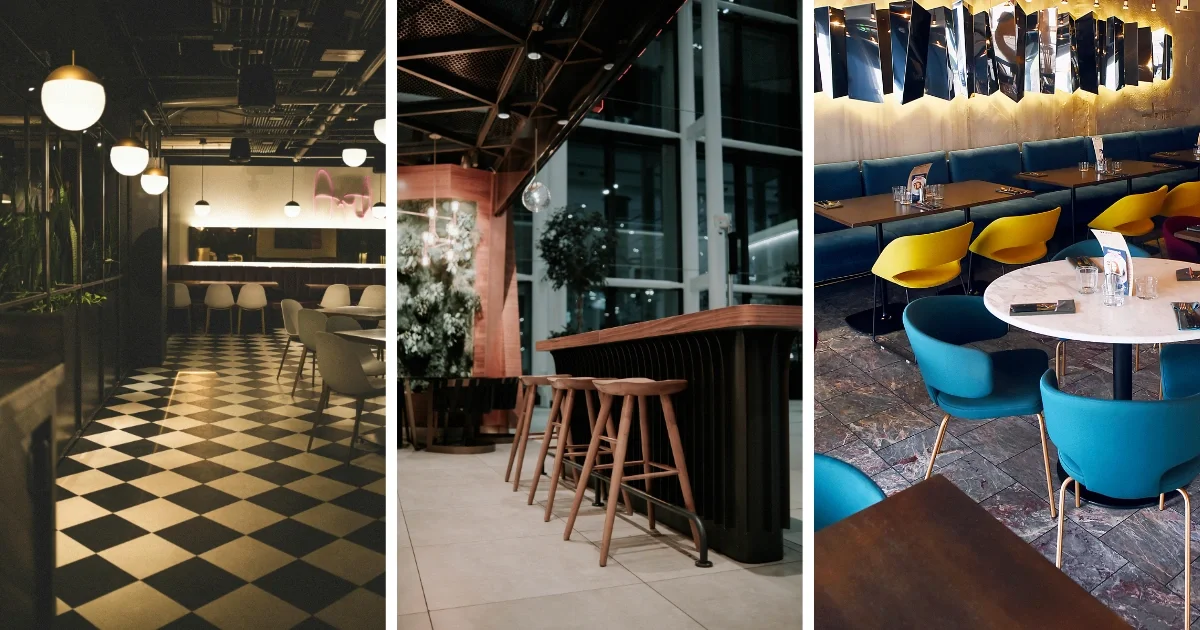
Choosing the right surface starts with understanding how your facility operates each day. Look at foot traffic, cleaning routines, moisture levels, and design goals to guide your decision. Some areas benefit from soft textures while others need strong resistance to heavy use. You also want flooring that stays attractive as your business grows. With the right approach, you can pick a surface that supports both function and long-term value.
Frequently Asked Questions
What flooring types offer the best slip resistance in commercial flooring types?
When evaluating commercial flooring types for safety, rubber flooring and slip-focused vinyl options provide excellent traction. Many businesses also choose slip-resistant flooring finishes for added protection. These commercial flooring types help reduce hazards in wet, busy, or high-movement environments such as kitchens, gyms, and entryways.
What is the most budget-friendly option among commercial flooring types?
Among common commercial flooring types, laminate flooring and vinyl composite tile flooring are among the most cost-effective choices. They offer dependable durability without high upfront costs. Many business owners rely on these commercial flooring types to strike a balance between affordability, performance, and long-term value.
How do I choose between vinyl plank and luxury vinyl tile in commercial flooring types?
Vinyl plank and luxury vinyl tile are both popular commercial flooring types designed for high-traffic areas. Vinyl plank delivers a wood-style appearance, while luxury vinyl tile often replicates stone or ceramic. Choosing between these commercial flooring types depends on your visual goals, space layout, and branding needs.
Is polished concrete a smart choice among commercial flooring types?
Yes. Polished concrete is one of the most durable commercial flooring types available. It offers low maintenance, a modern aesthetic, and strong long-term performance. Many facilities select polished concrete as a reliable commercial flooring type for large, open interiors.
How do moisture levels affect commercial flooring types?
Moisture plays a major role when selecting commercial flooring types. Excess moisture can damage certain materials without proper mitigation. Spaces with frequent spills or humidity require commercial flooring types designed for moisture resistance.
Wrapping Up
Choosing the right commercial flooring types shapes how well your space performs and how customers respond to it. Strong materials like vinyl planks, carpet tile, porcelain tile, polished concrete, and laminate flooring help support comfort and durability in commercial settings. These flooring options create better environments for employees and guests across many commercial spaces.
Different facilities benefit from different flooring products, from luxury vinyl tile and wood flooring to rubber flooring and decorative surfaces. The right choice depends on design goals, daily activities, and long-term planning. Many business owners also look at floor tile, ceramic tiles, and modern vinyl solutions when building or upgrading their spaces.
At Empirical Construction, we help you move forward with confidence. Call us at 720-441-5060 to discuss your flooring needs.