
Ceiling Installation Cost: What Homeowners Should Expect in 2026
Understanding the ceiling installation cost in 2025 helps homeowners plan with confidence. Prices can shift based on materials, design, and the size of the project. Every choice, from style to the level of finishing, has an impact on the budget. Knowing what goes into the cost helps you set realistic expectations before starting. This guide gives you the insight you need to approach your ceiling project with confidence and control.
What Factors Affect Ceiling Installation Cost?
Before starting any ceiling installation, it’s important to understand what influences the final bill. Several elements work together, and each one can raise or lower the overall price. Here are the factors that affect the cost of ceiling installation.
Labor Costs
Labor costs often make up a large portion of installation expenses. The time and expertise required vary depending on the type of ceiling and the complexity of the design. Labor setup time and the trade professionals involved also affect the total. If there are labor shortages, the price per square foot may rise even more.
Material Costs
Materials cost covers everything from drywall sheets, gypsum board, and metal tracks to ceiling tiles and acoustic ceiling tiles. Some ceilings need fire-resistant drywall like Type C or Type X, while others may call for mold and mildew-resistant drywall. Delivery, local taxes, and permit or inspection fees also add to installation costs. Premium finishes like crown molding, LED panels, or custom patterns bring extra finishing costs.
Ceiling Design Style
The look of your ceiling plays a major role in pricing. Options like a tray ceiling, tongue and groove ceiling, or tray ceiling require more detail and specialized tools. Features such as 3D effects, fabric membrane, or premium stretch ceiling materials increase both labor and materials and supplies. Even the choice of latex paint or crown molding can raise your budget.
Project Size
The bigger the project size, the more materials and supplies you’ll need. Large spaces raise costs for square footage, linear feet of framing, and the amount of soundproof drywall or ceiling drywall required. Larger projects also increase delivery charges and labor setup time. A cost calculator can help estimate expenses by square foot before hiring a local ceiling contractor.
What Types of Ceilings Impact Cost?
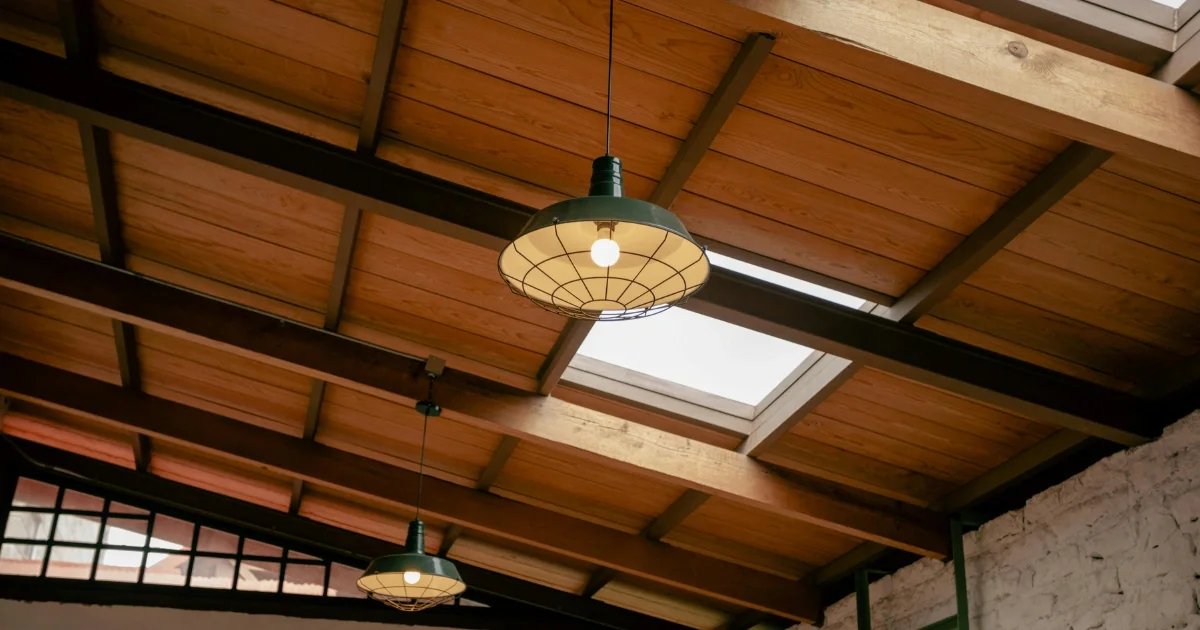
Different ceiling styles create unique looks, but each comes with its own price tag. The type you choose will influence both installation costs and how much effort goes into labor and finishing. Here are the most common styles homeowners can consider.
Drop Ceiling
A drop ceiling is built using grid systems or T-bar ceiling layouts with panels like mineral fiberboard or acoustic ceiling tiles. They are common in basements because they hide plumbing systems, wiring, and even a fire sprinkler system. Costs vary depending on panel quality and grid ceiling design. This type works well with drop-out ceiling tiles designed for safety.
Drywall Ceiling
A drywall ceiling gives a smooth, clean finish that works in most homes. Materials often include drywall sheets, gypsum board, or fire-resistant drywall. Installation requires taping, mudding, and painting, which adds to finishing costs. It is affordable compared to decorative ceilings, but still adds value to a home improvement project.
Vaulted Ceiling
A vaulted ceiling creates open space and highlights ceiling height. This design needs extra framing, often requiring specialized types of wood or even oak flooring transitions for balance. Since it covers more square footage, material and labor costs rise. Homeowners sometimes add ceiling fans or lighting fixtures for a complete look.
Coffered Ceiling
A coffered ceiling delivers a bold statement with grid-like recessed panels. Building it requires specialized tools, precise carpentry, and high-quality materials and supplies. The structure may include custom patterns, 3D effects, or specialized types of wood. Because of its complexity, this ceiling costs more than a drywall ceiling or an acoustic ceiling.
Acoustic Ceiling
Acoustic ceilings improve sound control and often use suspended acoustic ceiling designs. Materials like mineral fiberboard or acoustic ceiling tiles reduce noise and enhance comfort. This type is often installed in offices, schools, or homes where noise is an issue. Costs depend on the quality of tiles, ceiling grid systems, and any added lighting fixtures.
How Can Homeowners Save on Ceiling Installation Costs?

Planning makes a big difference when managing your budget. By taking simple steps before hiring a ceiling contractor, you can cut down on unnecessary expenses and get the most from your investment. Here are some strategies to reduce installation costs without sacrificing quality.
Pick Budget-Friendly Materials
Choosing the right materials and supplies impacts your overall cost. Instead of premium specialized types of wood or premium stretch ceiling materials, consider affordable options like mineral fiberboard or acoustic ceiling tiles. For a basement, drop ceiling panels can hide pipes at a lower price than full framing. Affordable finishes like latex paint help you save compared to costly stains or custom patterns.
Plan by Square Footage
Understanding your square footage helps you order the correct amount of drywall sheets, soundproof drywall, or gypsum board. Over-ordering increases delivery charges and wastes resources, while under-ordering delays the project. Planning also helps you estimate finishing costs and labor setup time. Using a unit cost method or cost calculator makes this step easier.
Compare Contractor Quotes
Always ask for estimates from more than one ceiling installer or local ceiling contractor. Quotes help you see the breakdown of installation costs, including labor costs, finishing costs, and materials costs. Some contractors may also include permit or inspection fees, while others leave them out. Comparing helps you find fair pricing without compromising on professional installation.
Frequently Asked Questions
How long does ceiling installation take?
Most ceiling jobs take a few days, depending on project size and ceiling height. Complex styles like vaulted ceilings or coffered ceilings can take longer. A ceiling contractor can give a better estimate after inspecting the space.
What is the cheapest ceiling option?
The most affordable option is often a drop ceiling with acoustic ceiling tiles. Costs stay low because it uses simple grid systems and fewer finishing costs. A cost calculator can give a quick estimate before purchase.
Do ceiling repairs cost less than a new installation?
Yes. Ceiling repairs are usually less expensive than full replacements. Fixing a popcorn ceiling or small cracks in ceiling drywall often costs less in labor and materials cost. Major repairs tied to mold growth or water damage may raise expenses.
How do building codes affect cost?
Building codes affect cost because they may require a building permit, an added fire rating, or compliance with Type X or Type C drywall. Some rules call for fire sprinkler system setups or updated plumbing systems. Compliance adds to both installation costs and time.
Can DIY lower the installation price?
DIY can lower upfront expenses if you have specialized tools and skills. However, mistakes increase the risks of mold growth, weak framing, or wasted materials and supplies. Many homeowners prefer professional installation by trade professionals for long-lasting results.
Wrapping Up
Installing a new ceiling adds style, comfort, and function to your home. From drop ceiling panels that hide wires to a vaulted ceiling that expands space, each choice affects cost. Knowing what drives expenses helps you plan for installation costs and avoid surprises.
Budget planning, careful material selection, and hiring a trusted ceiling contractor make a huge difference. Small steps like using a cost calculator, planning square footage, and checking building codes protect your investment. Even details like ceiling fans, crown molding, or LED panels impact your budget and final look.
At Empirical Construction, we help homeowners complete every ceiling project with confidence. Call us today at 720-441-5060 to speak with a trusted local ceiling contractor about your home improvement needs.